
Frequent Infectious Disease Outbreaks Are Becoming More Damaging Worldwide: Report
The report examines 10 years of Public Health Emergencies of International Concern (PHEICs) ranging from Ebola in West Africa to COVID-19 to mpox.

The number of outbreaks of infectious diseases is increasing, and so are their effects: They are now more damaging, affecting health, economies, politics and societies, and not being able to recover from them, wrote a new report of an independent monitoring and accountability body to ensure preparedness for global health crises.
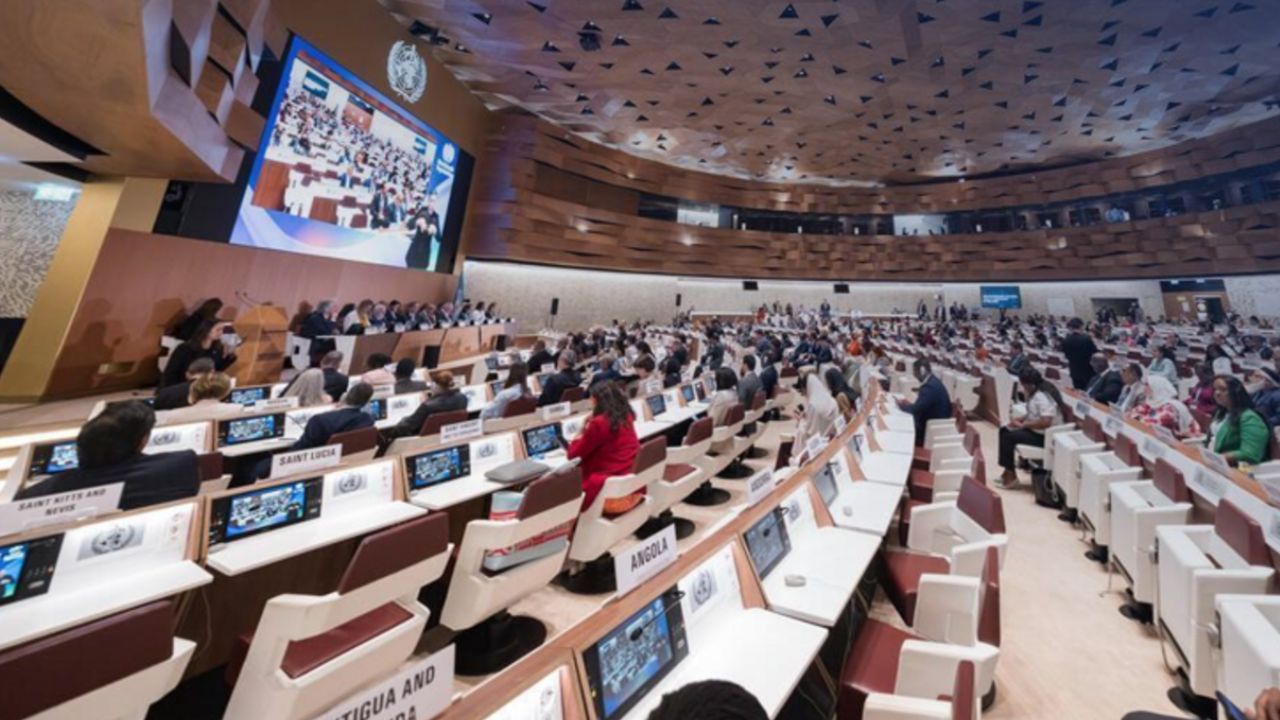
The report ‘A World on the Edge: Priorities for a Pandemic-Resilient Future' by the Global Preparedness Monitoring Board (GPMB) was released in the fringes of the 79th World Health Assembly (WHA) on Monday, urging that a decade of investment has not matched the increase in the pandemic threat. Progress in some areas of preparedness has been made in recent years, although it is being offset by the increasing impact of geopolitical fragmentation, ecological disruption and global travel, particularly in terms of a decline in development aid since 2009.
The report examines and evaluates the impact of 10 Public Health Emergencies of International Concern (PHEICs) spanning from Ebola in West Africa to mpox and COVID-19 on health systems, economies and societies. The world is going backward on critical issues, like access to diagnostic, vaccine and therapeutic tools, which are equitable.
The mpox vaccine was introduced in affected low-income countries nearly 2 years after the initial outbreak, this is even later than the COVID-19 vaccine was introduced in those countries 17 months after outbreak. The increasing burden of such crises is more than health and economic effects. The crises, whether Ebola or COVID-19, eroded trust in government, civil liberties and democratic norms and that is amplified by politicised responses, attacks on scientific institutions and polarisation that persisted after the crisis, which reduced societies' ability to face the next crisis.
The report makes it clear that the world would be more divided, more indebted and less prepared to defend its people against the next pandemic ten years from now than it was before. This means that all countries would be potentially more vulnerable to health, social and economic impacts.
While AI and digital technologies offer promise of greater preparedness – particularly through better monitoring of pandemic threats – the report also acknowledges that they can be a threat to health security and exacerbate the access gaps that defined the COVID-19 pandemic if left ungoverned and unsafeguarded.
Also Read: How a Teacher in Rajasthan’s Sikar Helped Uncover the NEET Paper Leak Scam
“The world does not lack solutions”, said GPMB co-chair Kolinda Grabar-Kitarovic. “But without trust and equity, those solutions will not reach the people who need them most. Political leaders, industry and civil society can still change the trajectory of global preparedness – if they turn their commitments into measurable progress before the next crisis strikes.”
The GPMB, which is set to expire in 2026, lists three clear priorities for political leaders to turn the tide: to finalise the Pandemic Agreement to ensure equitable access to life-saving vaccines, tests and treatments; to ensure strong funding for Day Zero’ response activities and preparedness; and to create a permanent, independent monitoring mechanism to track pandemic risk.
“If trust and cooperation continue to fracture, every country will be more exposed when the next pandemic strikes. Preparedness is not only a technical challenge — it is a test of political leadership” said GPMB co-chair Joy Phumaphi.
This year, leadership is going to be put to the test, with countries engaging in finalising the WHO Pandemic Agreement and in reaching an effective UN political declaration on pandemic prevention, preparedness and response, the report said.
For breaking news and live news updates, like us on Facebook or follow us on Twitter and Instagram. Read more on Latest National News on The National Bulletin
